What Dog Should I Get? Quiz to Match You With a Breed
Labrador, Cavalier, Aussie, Shih Tzu, Beagle or Poodle? Answer nine questions about your home, your schedule and your energy, and this quiz picks the dog breed that would actually fit your life.
Quiz questions
1. Where do you live?
2. How active are you on a normal week?
3. How long is the dog alone on a typical day?
4. What about shedding and dog hair?
5. What size dog do you picture?
6. Your ideal weekend with your dog is...
7. Have you had a dog before?
8. How do you feel about barking and howling?
9. Who else lives with you?
All possible results
Your result
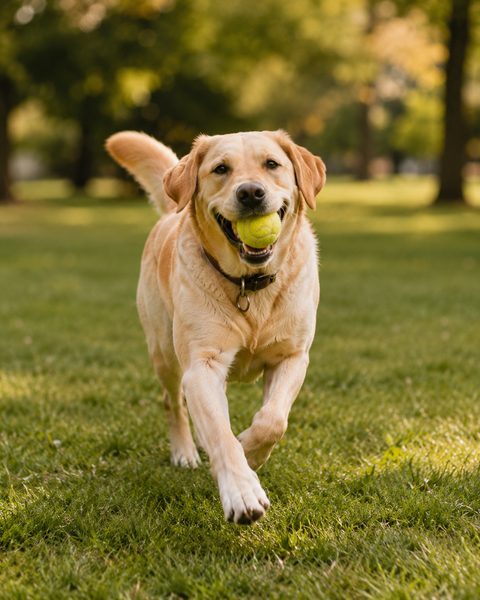
Labrador Retriever
Big heart, big energy, easy to love.
- Friendly
- Active
- Family-friendly
You want a dog who is happy to see everyone, loves a good walk and fits into a busy, sociable life. A Labrador is one of the most popular dogs in the world for good reason: they're kind, eager to please and great with families.
Good to know: Labradors shed a lot, eat everything they can find and need daily exercise, especially when young. They're big puppies for a few years. If you have room, time for walks and don't mind dog hair on the sofa, a Lab will be a loyal friend.

Your result
Cavalier King Charles Spaniel
Gentle, sweet and happiest on your lap.
- Affectionate
- Calm
- Gentle
You want a small, gentle companion who is happy with short walks and long cuddles. The Cavalier King Charles Spaniel was bred to be a lap dog, and it shows: they're loving, easy-going and great for first-time owners and calm homes.
Good to know: Cavaliers don't like being alone for long, and the breed has some known heart and health issues, so choose a responsible breeder or a rescue that knows the dog's history. A Cavalier will follow you from room to room for the rest of its life.

Your result
Australian Shepherd
Clever, tireless and ready for an adventure.
- Smart
- Energetic
- Loyal
You're active, you love the outdoors and you want a dog who can keep up. Australian Shepherds are herding dogs: very smart, very energetic and happiest with a job to do, whether that's hiking, agility or learning new tricks.
Good to know: an Aussie needs a lot of exercise and mental work every day, or it will invent its own (usually destructive) hobbies. They shed and need regular brushing. For an active owner with time to train, they're one of the most rewarding dogs there is.

Your result
Shih Tzu
Small, cheerful and made for city life.
- Cheerful
- Low-shedding
- Adaptable
You live in a smaller space, you're home a fair bit and you want a happy little dog who is easy to handle. The Shih Tzu was bred as a companion dog, needs only short walks and is famous for its friendly, slightly cheeky personality.
Good to know: their long coat sheds very little but needs daily brushing or a regular short trim. They can be a bit stubborn with house training, so be patient and consistent. In return, you get a cheerful flatmate who thinks you're the best person in the world.
Your result
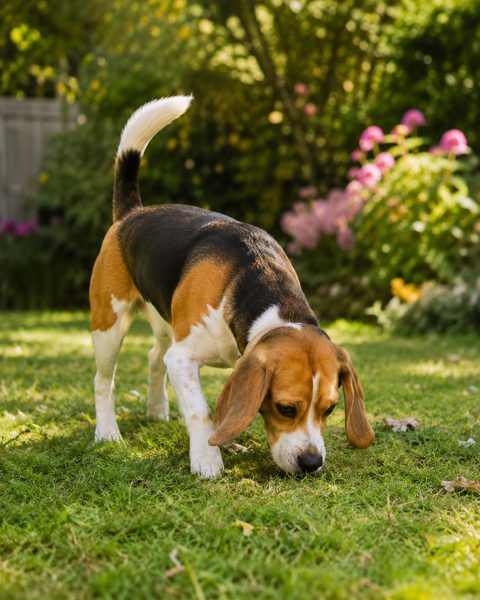
Beagle
Curious nose, happy tail, big personality.
- Curious
- Merry
- Sociable
You want a fun, sturdy, medium-sized dog who loves people and adventures. Beagles are cheerful and great with kids, and they're happiest exploring the world nose-first.
Good to know: that nose can take over. Beagles love to follow a scent, so recall training takes time and a secure garden is a must. They can also be vocal, with a famous baying howl. If you love a dog with personality and don't mind a bit of noise, a Beagle is a joy.
Your result
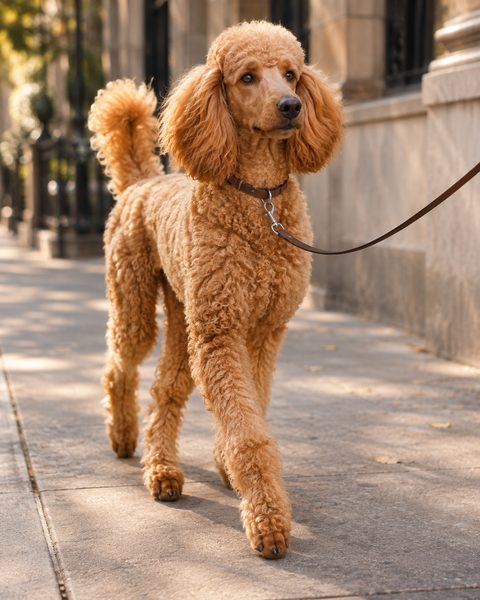
Poodle
Brilliant, elegant and low on shedding.
- Intelligent
- Elegant
- Trainable
You want a smart dog you can train, and you'd prefer one that doesn't shed much, maybe because someone at home has allergies. Poodles come in toy, miniature and standard sizes and are among the most intelligent breeds, which makes them easy to train and great fun.
Good to know: their curly coat needs regular grooming every few weeks. No dog is fully hypoallergenic, but many people with mild allergies do better with a Poodle. Under the fancy haircut, they're playful, athletic and very loving.
How to choose the right dog breed
Most people pick a dog with their heart first: a puppy photo, a dog from a film, the breed a friend has. That’s natural, but the dogs that end up in shelters are often dogs who were simply the wrong match for their family’s life. A herding dog in a small flat with nobody home all day isn’t a bad dog. It’s a bored one.
This quiz flips the question around. Instead of asking which dog you like the look of, it asks about your home, your schedule, your energy and the people you live with, then suggests the breed that fits that life.
What the quiz looks at
- Space: a yard, a flat, the countryside.
- Exercise: how active you really are on a normal week, not on your best week.
- Time alone: how long the dog would be without company each day.
- Grooming and shedding: how you feel about brushing and dog hair.
- Experience: whether this is your first dog.
- Noise and household: neighbors, kids and allergies.
How this quiz works
There are nine questions with four answers each. Every breed can be reached by exactly six answers, so no breed is favored. The breed with the most points is your match. If two are tied, you’ll see the one listed first. Everything is counted in your browser and nothing is stored.
Be honest about your schedule. Everyone plans to go running every morning with their new dog, and very few actually do. Answer for the life you have now.
Why these six breeds?
The six results cover the most common kinds of homes: an active family (Labrador), a calm home or first-time owner (Cavalier), an outdoorsy person with time to train (Australian Shepherd), a small city apartment (Shih Tzu), a fun family with a garden (Beagle) and a home that needs a low-shedding, very trainable dog (Poodle). If your result is a breed you don’t love, look at the traits in the description instead. A dog with similar needs will fit your life just as well.
Puppy or adult dog?
A puppy is adorable, but it’s also a lot of work: house training, chewing, night-time toilet trips and months of basic training. If you work long hours or this is your first dog, an adult dog of two years or more can be a much easier start. Its energy level, size and coat are already clear, and many adult dogs are already house trained. Senior dogs are often the calmest companions of all, and they’re the ones who wait longest for a home.
Think about adopting
Every one of these breeds turns up in shelters and breed rescues, and so do lovely mixed-breed dogs with the same personality. An adult rescue dog has another advantage: its character is already known. The shelter can tell you if it’s calm, good with kids or fine alone for a few hours, which is far more than any quiz can promise. If you buy a puppy, choose a breeder who health-tests the parents and lets you meet them.
Before you bring a dog home
A dog is a commitment of ten to fifteen years. Check that your home or rental allows pets, budget for food, vet visits, insurance and grooming, and plan who looks after the dog when you’re away. Spend time with the breed if you can: visit a friend’s dog, go to a breed meetup or foster for a while. The best match is a dog whose needs you can meet happily, every day.
And if you’d like to know which breed you are yourself, try our What Dog Breed Am I? quiz. Some people end up with a dog that’s exactly like them.