Seasonal Color Analysis Quiz: What Season Am I?
Are you a Spring, Summer, Autumn or Winter? This seasonal color analysis quiz looks at your skin, eyes, hair and the colors people compliment you in, then shows you the palette that makes you glow.
Quiz questions
1. Look at the veins on the inside of your wrist in daylight. They look...
2. How does your skin react to the sun?
3. What is your natural hair color closest to?
4. Your eye color is closest to...
5. Which jewelry looks better on you?
6. Pure white or cream next to your face?
7. Black clothes near your face make you look...
8. Which group of colors do people compliment you in?
All possible results
Your result
Spring
Warm, bright and full of light.
- Warm
- Clear
- Fresh
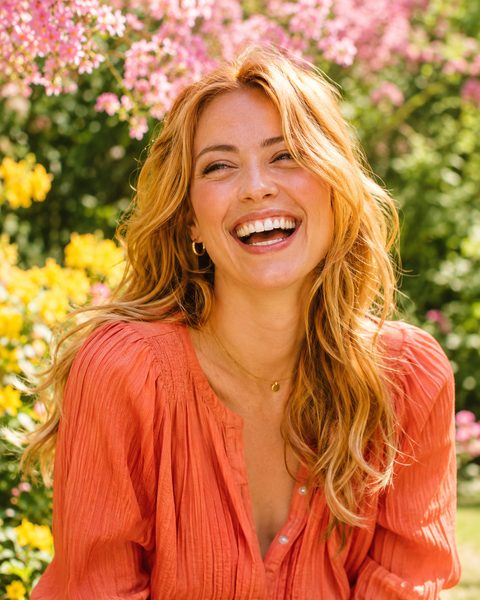
Your coloring is warm and light, with a clear, fresh brightness: think golden hair, freckles, bright eyes and skin that loves the sun. In seasonal color analysis that's a Spring.
Your colors: coral, peach, warm pink, golden yellow, apple green, warm turquoise, camel and ivory. Choose gold jewelry. Go easy on black and very dusty colors, which can make you look tired. If you're unsure, think of a spring garden: fresh, warm and bright.
Your result
Summer
Cool, soft and gently muted.
- Cool
- Soft
- Elegant
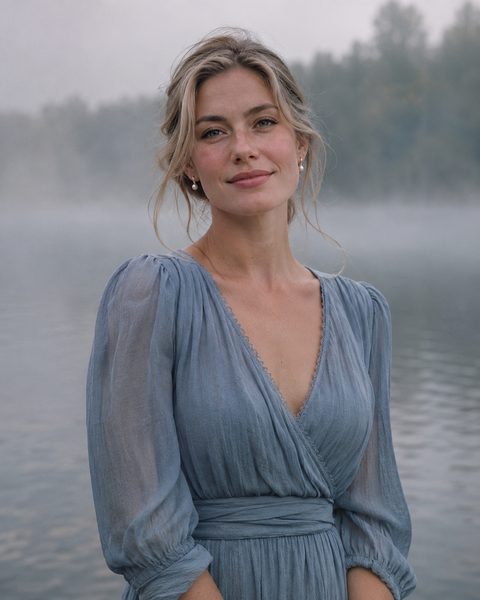
Your coloring is cool and soft, with low contrast between your skin, hair and eyes: maybe ash blonde hair, rosy skin and grey-blue eyes. In seasonal color analysis that's a Summer.
Your colors: powder blue, lavender, dusty rose, soft plum, sage, seafoam, cool grey and soft navy. Choose silver, rose gold and pearls. Avoid orange, harsh black and very bright neon shades. Think of a misty summer morning by the sea.

Your result
Autumn
Warm, rich and earthy.
- Warm
- Rich
- Earthy
Your coloring is warm and deep, with a golden or olive undertone: auburn or chestnut hair, hazel or amber eyes and skin that tans to a warm bronze. In seasonal color analysis that's an Autumn.
Your colors: rust, terracotta, mustard, olive, forest green, teal, chocolate brown, camel and cream. Choose antique gold, brass and wood. Avoid icy pastels and stark white. Think of a forest in October.
Your result
Winter
Cool, clear and high contrast.
- Cool
- Bold
- Striking
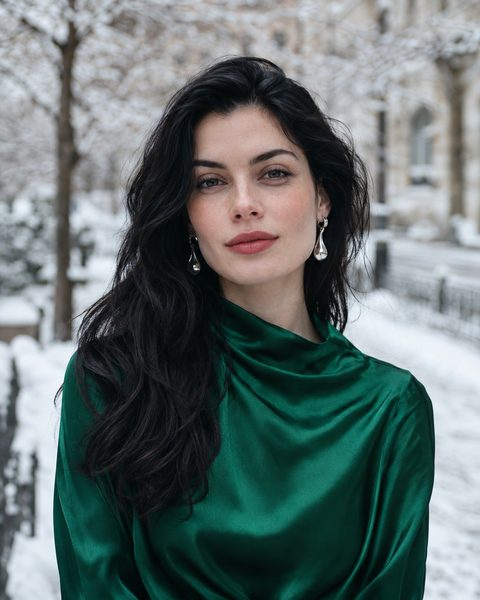
Your coloring is cool and striking, with high contrast: dark hair with fair skin, or very dark eyes with bright whites. In seasonal color analysis that's a Winter.
Your colors: pure white, black, emerald, ruby red, royal blue, fuchsia, icy pink and charcoal. Choose bright silver and platinum. Avoid muddy earth tones, orange and beige, which can look dull on you. Think of a snowy city at night with bright lights.
What is seasonal color analysis?
Seasonal color analysis is a way of finding the colors that suit you best by looking at your natural coloring: your skin’s undertone, your eyes and your hair. It became famous in the 1980s with the book Color Me Beautiful, and it’s had a huge comeback thanks to TikTok and Pinterest, where people post before-and-after drapes that look almost like magic.
The idea is simple. Some colors make your skin look clearer and your eyes brighter. Others make you look tired or washed out, even if you love them. The system groups people into four seasons, each with its own palette.
The three things that decide your season
- Undertone (warm or cool). Warm undertones have golden, peachy or olive hints. Cool undertones have pink, rosy or bluish hints. Spring and Autumn are warm, Summer and Winter are cool.
- Value (light or deep). How light or dark your overall coloring is.
- Chroma (bright or soft). Whether your coloring looks clear and vivid, or soft and slightly muted.
Spring is warm and bright. Summer is cool and soft. Autumn is warm and rich. Winter is cool and clear. That’s why a quick look at your veins, your jewelry and how you tan already tells you a lot.
How this quiz works
There are eight questions about your veins, your reaction to the sun, your hair and eye color, your jewelry and the colors you get compliments in. Each question has one answer for each season, so every season can be reached by exactly eight answers. The season with the most points is your result. If two are tied, you’ll see the one listed first. Nothing is stored. Your answers are counted in your browser.
For the best result, answer in natural daylight, without makeup, and think about your natural hair color rather than a dye job.
What about the 12 seasons?
Many color analysts split each season into three, which gives twelve: for example Light Spring, Warm Spring and Bright Spring, or Soft Autumn, Warm Autumn and Deep Autumn. The sub-season tells you which quality is strongest in your coloring. This quiz finds your main season first. If your result was close between two seasons, you’re probably one of the “bridge” sub-seasons, like Soft Autumn (between Autumn and Summer) or Bright Winter (between Winter and Spring).
Try the drape test at home
You don’t need a professional to check your result. Stand by a window in daylight, pull your hair back and hold different colored fabrics or T-shirts under your chin. Take a photo with each one. When a color suits you, your skin looks even, shadows under your eyes soften and your eyes look brighter. When it doesn’t, you’ll notice redness, greyness or a slightly tired look. Comparing a gold and a silver necklace the same way is a quick test for warm versus cool.
Makeup and hair for your season
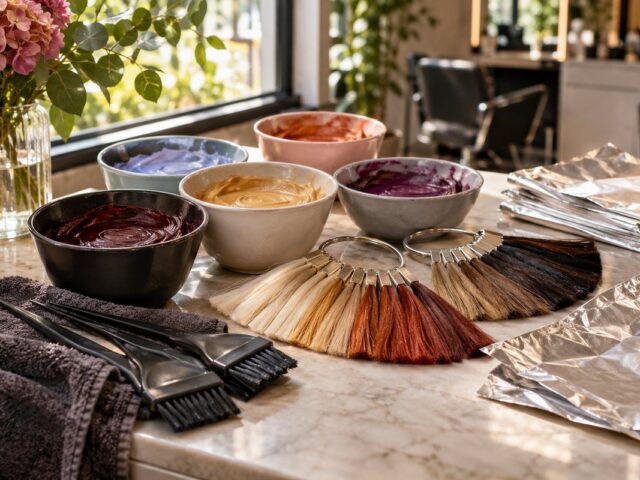
Your season works for makeup too. Springs look fresh in peach blush and coral lipstick, Summers in rose and berry, Autumns in bronze, terracotta and brick red, and Winters in true red, fuchsia and a sharp black liner. For hair, stay close to your natural undertone: golden and copper shades for warm seasons, ash and cool brown for cool ones. A big jump from warm to cool, or the other way round, is the most common reason a new hair color suddenly looks harsh.
How to use your palette
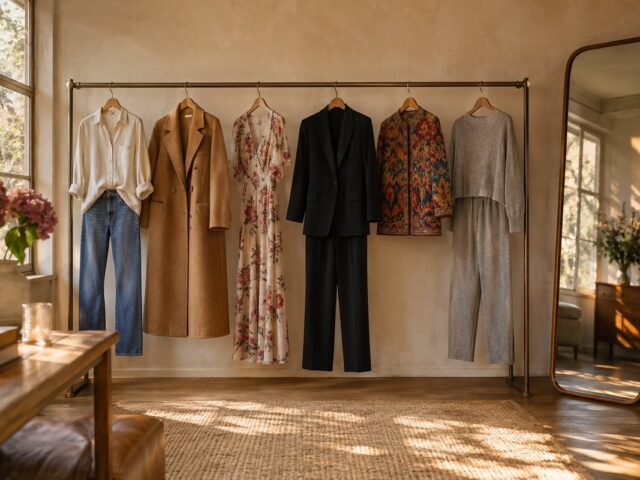
You don’t have to throw out your wardrobe. Start with the things that sit closest to your face: tops, scarves, glasses frames, lipstick and hair color. You can still wear your favorite “wrong” color on your trousers or shoes, where it won’t affect your skin. Many people save their palette on their phone and use it when shopping, which saves a lot of money on things that looked great on the hanger and never got worn.
If you’re curious about your style as well as your colors, try our Kibbe body type quiz next. Your season tells you which colors to wear, and your Kibbe type tells you which shapes.