Body Type Quiz: Find Your Shape and What Flatters It
Hourglass, pear, apple, rectangle or inverted triangle? This body type quiz asks how clothes fit your shoulders, waist and hips, then shows you the cuts and outfits that flatter your shape.
Quiz questions
1. Compared to your hips, your shoulders are...
2. Where do you notice weight first when it changes?
3. How do fitted button-up shirts fit you?
4. Jeans shopping is usually...
5. Your waist is...
6. Which part of your body do you usually love showing off?
7. Which sport or activity shaped your body most?
8. Belts on dresses...
9. Which top do you reach for most?
10. Which trousers feel best on you?
All possible results
Your result
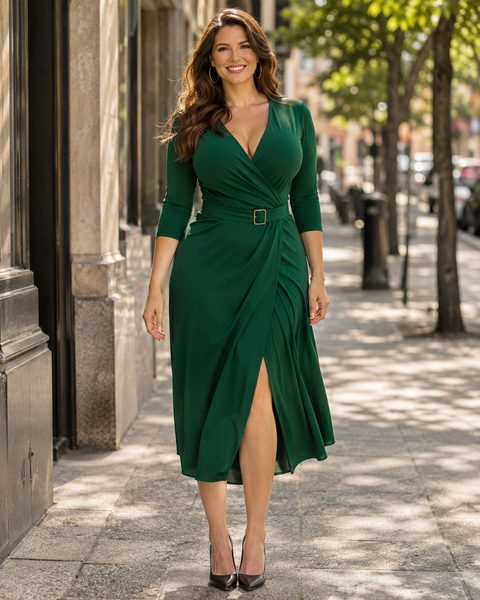
Hourglass
Balanced shoulders and hips, a defined waist.
- Balanced
- Curvy
- Defined waist
Your shoulders and hips are about the same width and your waist is clearly smaller. That's an hourglass shape, and the main styling idea is simple: show off your waist.
Try: wrap dresses and tops, belted coats, high-waisted jeans and skirts, pencil skirts and fitted knits. Boxy, very oversized pieces can hide your shape, so if you love them, add a belt or tuck in the front.
Your result
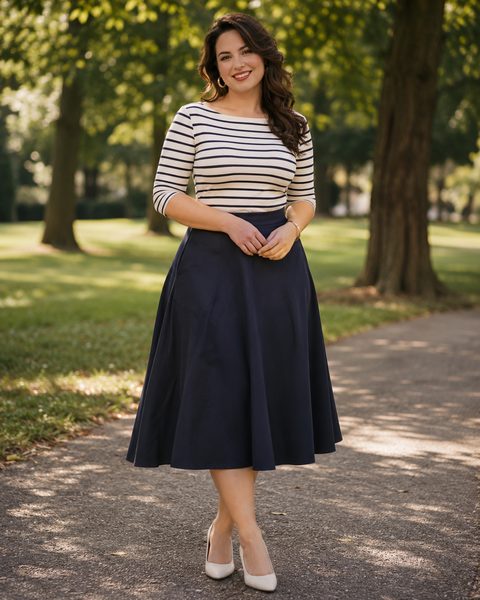
Pear
Narrower shoulders, fuller hips and thighs.
- Curvy hips
- Small waist
- Feminine
Your hips are wider than your shoulders, often with a small waist. That's a pear shape (also called a triangle), one of the most common body types.
Try: boat necks, off-shoulder tops, puff sleeves and patterned tops to bring attention up, with A-line skirts, bootcut or wide-leg trousers and darker bottoms. Structured jackets that end at the waist or just below the hips look great on you.
Your result
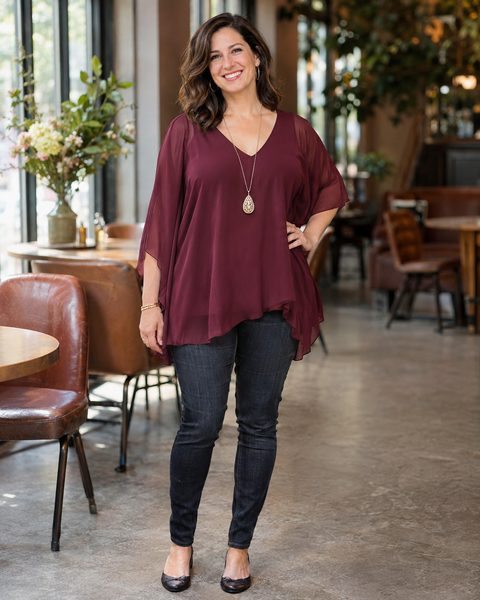
Apple
A fuller middle, slimmer legs and arms.
- Great legs
- Full bust
- Soft middle
You carry more of your weight around your middle, often with a fuller bust and slimmer legs and arms. That's an apple shape (also called round or oval).
Try: V-necks and scoop necks, empire-line and flowy tops, open cardigans and long necklaces that create a vertical line, and slim or straight trousers and skirts that show off your legs. Soft fabrics that skim rather than cling feel best.
Your result
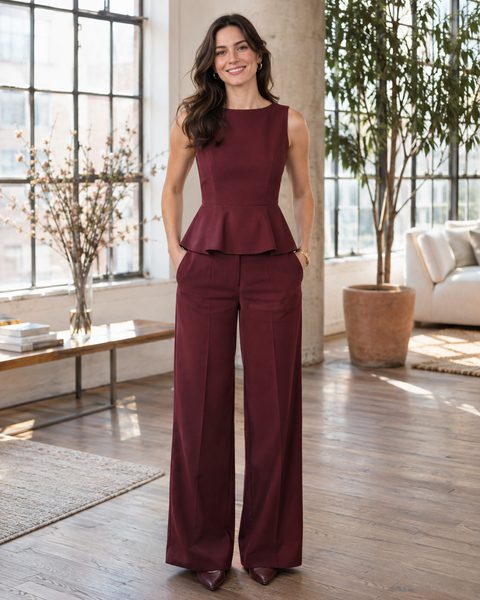
Rectangle
Straight, balanced lines from shoulders to hips.
- Lean
- Straight
- Athletic
Your shoulders, waist and hips are fairly similar in width, with a straight, lean line. That's a rectangle shape (also called straight or banana), and it's very easy to dress.
Try: peplum tops, ruffles, belts, wrap styles and paper-bag trousers to create curves, or lean into the straight line with slip dresses, boyfriend jeans and sharp tailoring. Most cuts work for you, so have fun with them.
Your result
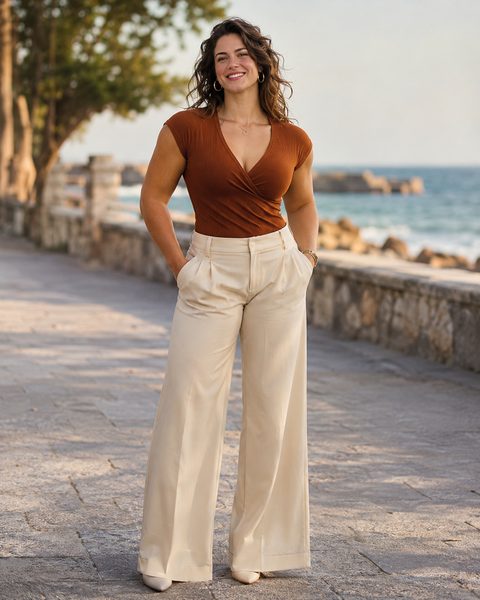
Inverted Triangle
Broad shoulders, narrower hips.
- Strong shoulders
- Slim hips
- Sporty
Your shoulders or bust are wider than your hips, often with an athletic build. That's an inverted triangle shape.
Try: V-necks and simple necklines on top, darker or plain tops, and volume on the bottom: wide-leg and flared trousers, A-line and full skirts, bold prints below the waist. Avoid shoulder pads and very puffy sleeves if you want a more balanced look.
What is a body type?
A body type, or body shape, describes how your shoulders, waist and hips relate to each other. It has nothing to do with your weight or size. Two people can wear the same size and have completely different shapes, and your shape usually stays the same even when your weight goes up or down.
Knowing your shape is a styling tool, nothing more. It explains why some jeans fit perfectly while others gap at the back, and why a dress that looks amazing on a friend looks strange on you. No shape is better than another.
The five body shapes
- Hourglass: shoulders and hips about equal, defined waist.
- Pear (triangle): hips wider than shoulders.
- Apple (round): fuller middle, slimmer legs.
- Rectangle (straight): shoulders, waist and hips similar.
- Inverted triangle: shoulders wider than hips.
How this quiz works
There are ten questions about how clothes fit you, where you notice changes, and which pieces you reach for. Each question has four answers, and every shape can be reached by exactly eight answers, so the quiz doesn’t lean toward any result. The shape with the most points is yours, and if two are tied, you’ll see the one listed first. Nothing is saved: your answers are counted in your browser.
How to measure your body shape
If you want to double-check your result, grab a soft measuring tape and measure three places: around the widest part of your shoulders or bust, around your natural waist (the narrowest part, usually just above your belly button) and around the widest part of your hips. Then compare:
- Shoulders and hips within about 5% of each other and a waist at least 25% smaller: hourglass.
- Hips more than 5% wider than shoulders: pear.
- Shoulders more than 5% wider than hips: inverted triangle.
- Shoulders and hips similar, waist less than 25% smaller: rectangle.
- Waist about the same as or wider than bust and hips: apple.
Measurements are only a guide. Many people sit between two shapes, and that’s completely normal.
Your shape can change, and that’s okay
Pregnancy, sport, age and hormones can all shift where your body carries weight. Someone who was a rectangle at twenty might feel more like a pear or an apple at forty, and someone who starts lifting weights might move toward an inverted triangle. That’s why it’s worth retaking a quiz like this now and then, especially when your clothes suddenly stop fitting the way they used to. The goal is never to change your body to fit a shape. It’s to change your clothes to fit your body.
Common fit problems and quick fixes
If jeans gap at the back of the waist, look for “curvy” fits or ask a tailor to take in the waistband. If shirts pull across the bust, try a size up and have the waist taken in, or choose wrap and stretch styles. If shoulders feel tight, raglan and dolman sleeves give more room. Small alterations are cheap and make a huge difference to how clothes look.
Dressing your shape
Almost all body shape advice comes down to two ideas: balance and emphasis. Balance means adding a bit of visual weight where you have less, like wide trousers for an inverted triangle or puff sleeves for a pear. Emphasis means showing off a part you love, like the waist of an hourglass or the legs of an apple.
You don’t have to follow any of these rules. They’re simply a shortcut when you’re shopping and unsure. If you love an outfit and feel great in it, that matters more than any chart.
Body shape, style and color
Your shape tells you which cuts flatter you. Your personal style tells you what kind of clothes you love, and your color season tells you which shades make your skin glow. Put the three together and you have a wardrobe that works. Try our fashion style quiz, our seasonal color analysis quiz and, for a deeper look at your lines and bone structure, our Kibbe body type quiz.